
Books by Jadwiga Brontē
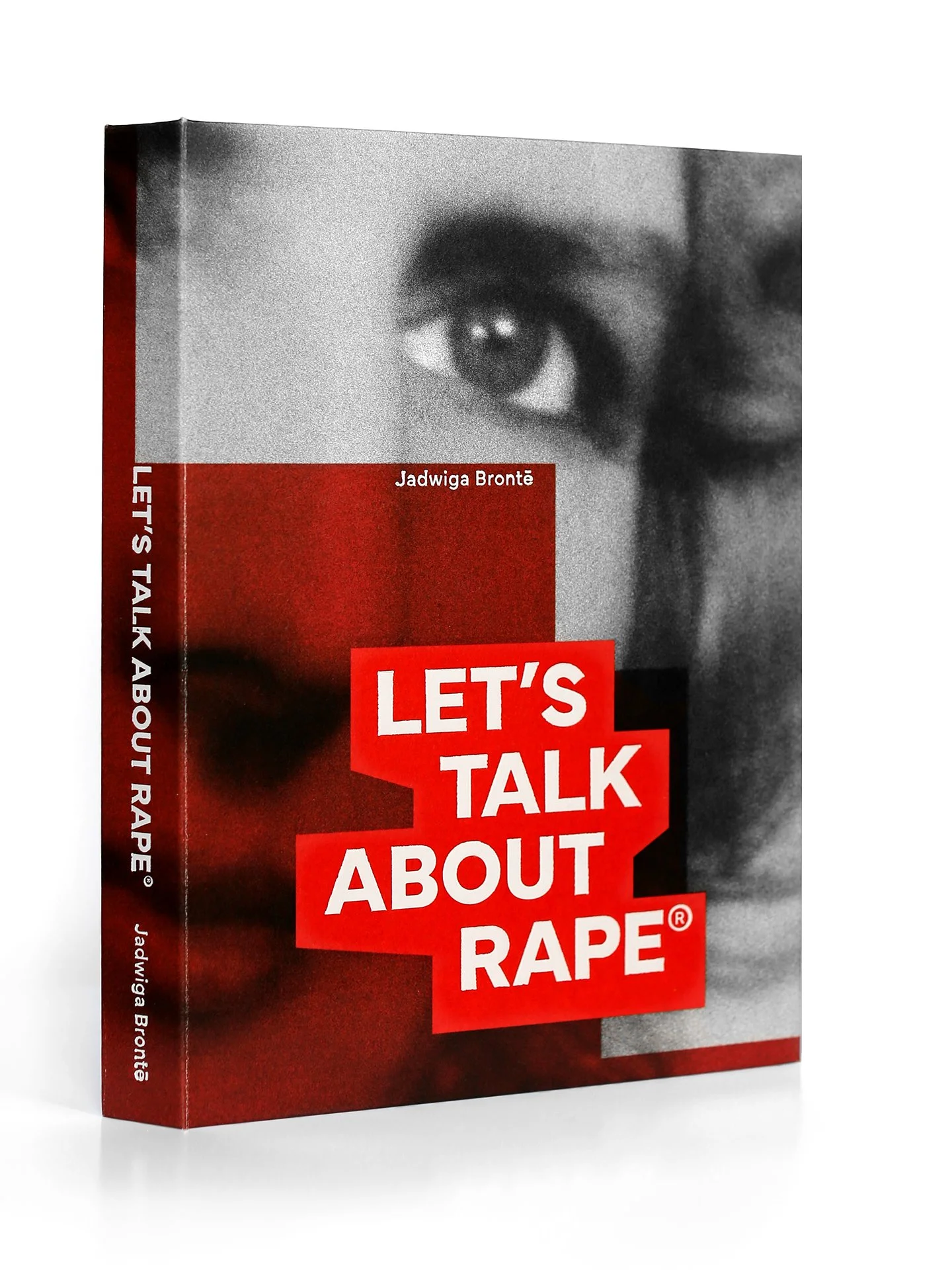
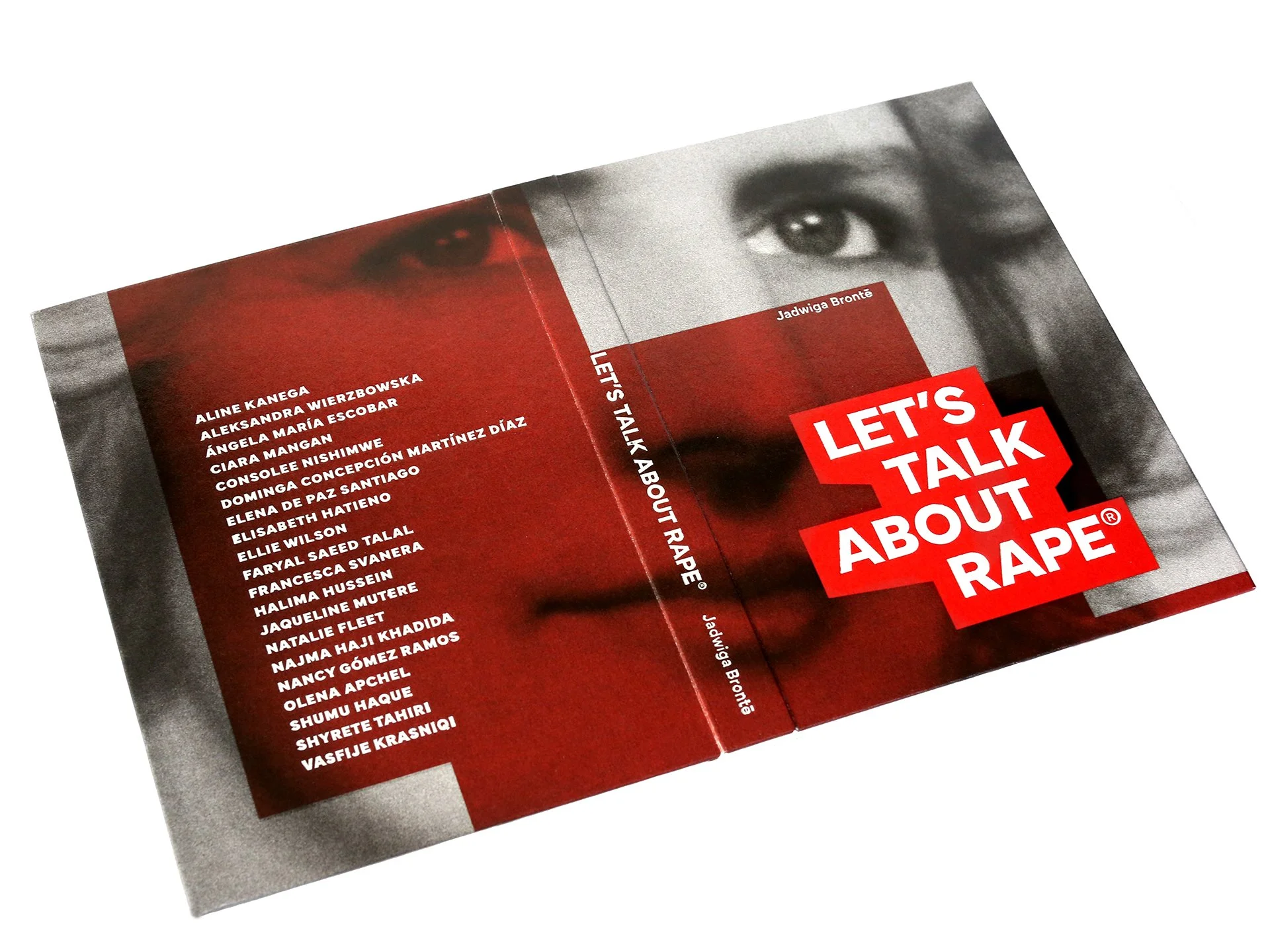
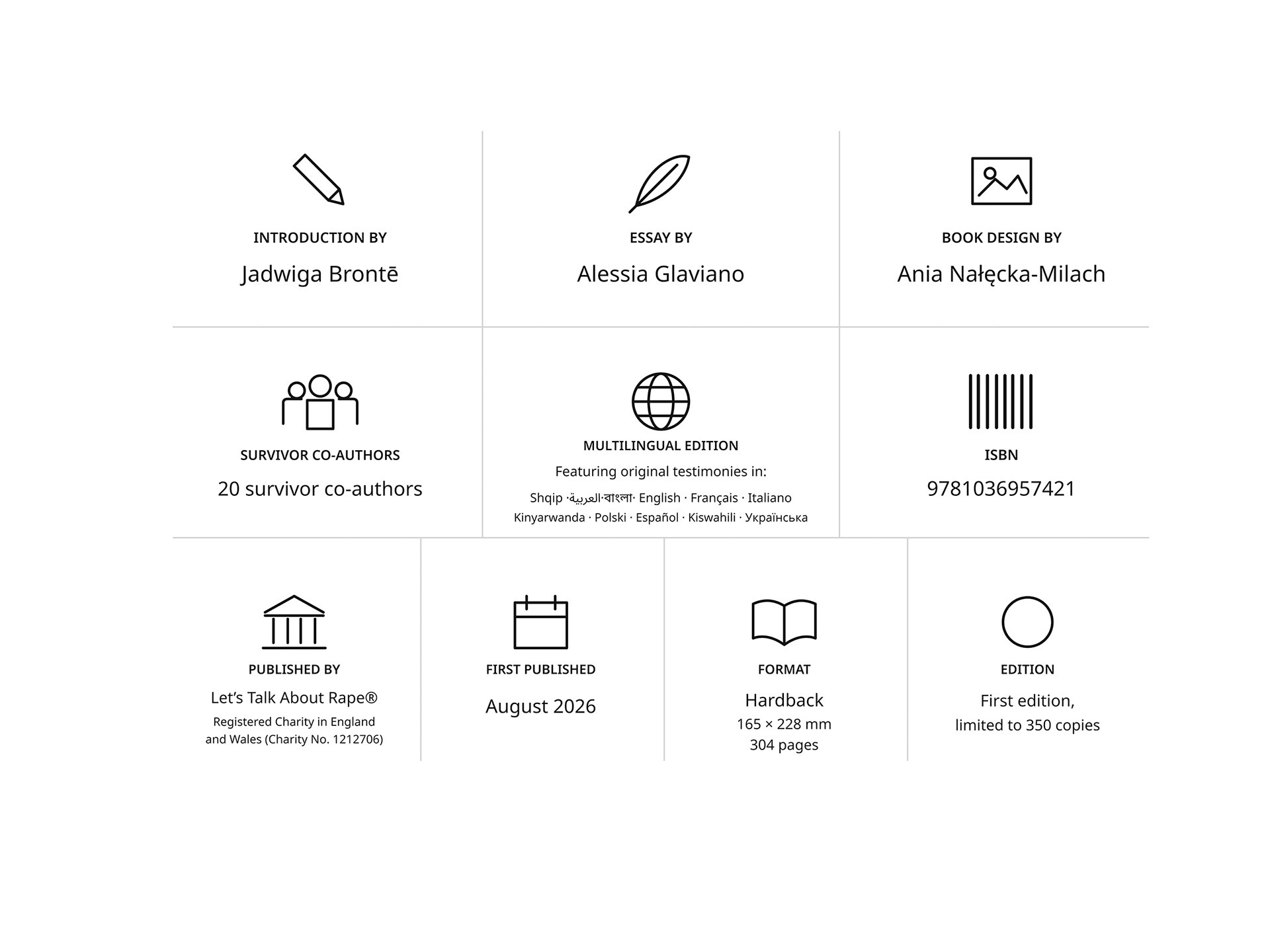
LET’S TALK ABOUT RAPE
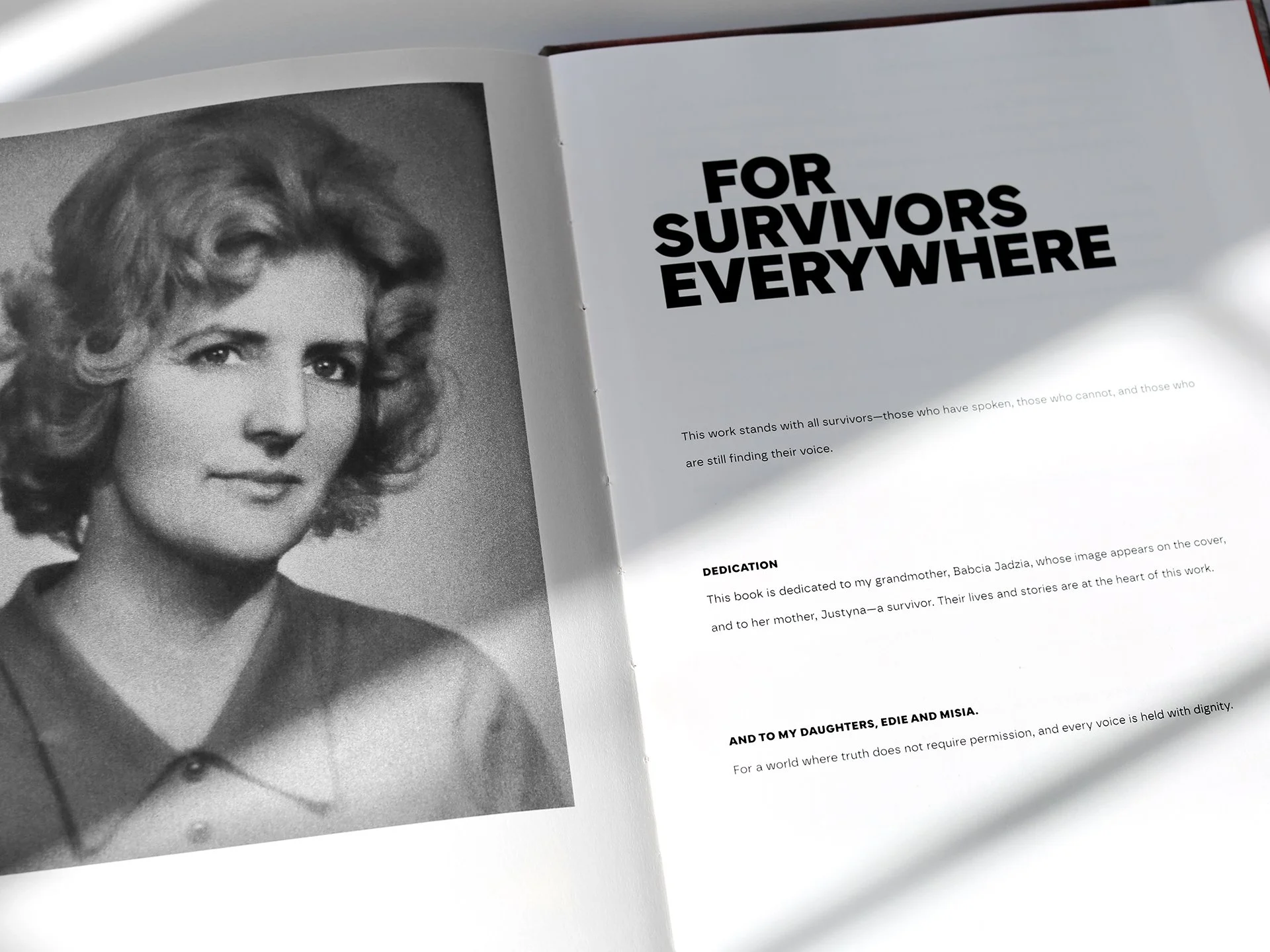
A photobook created with survivors. Co-authored by survivors.
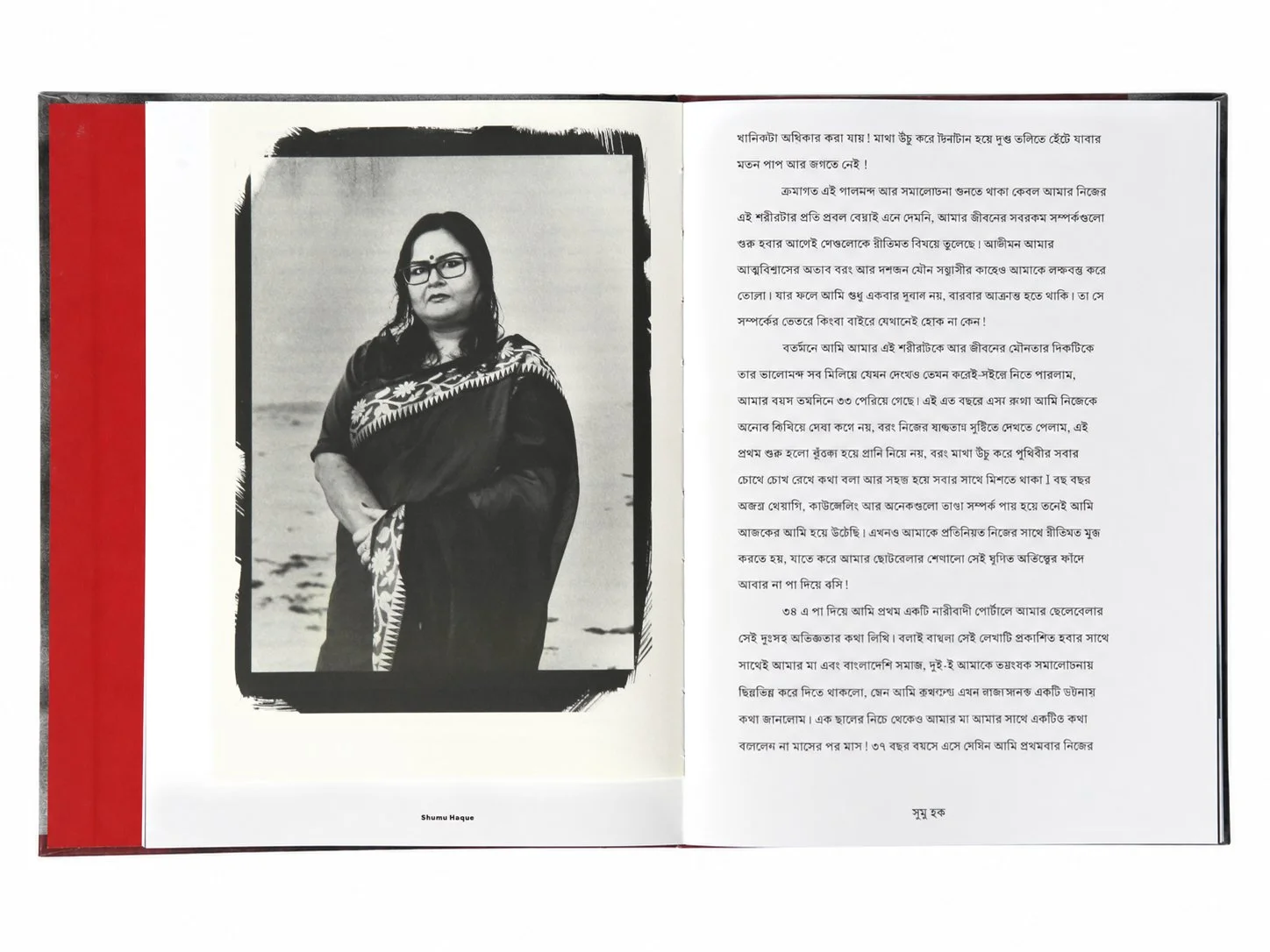
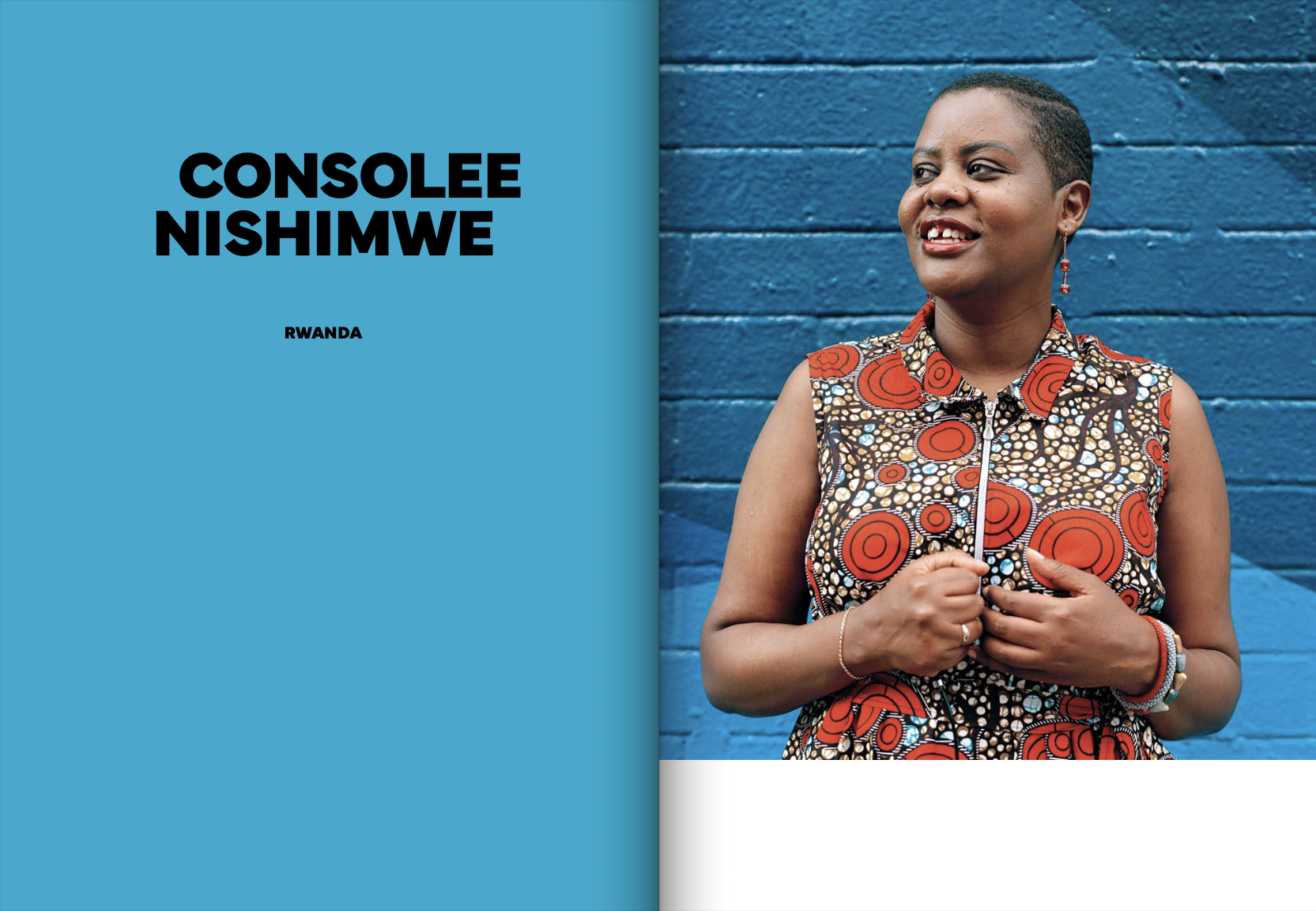
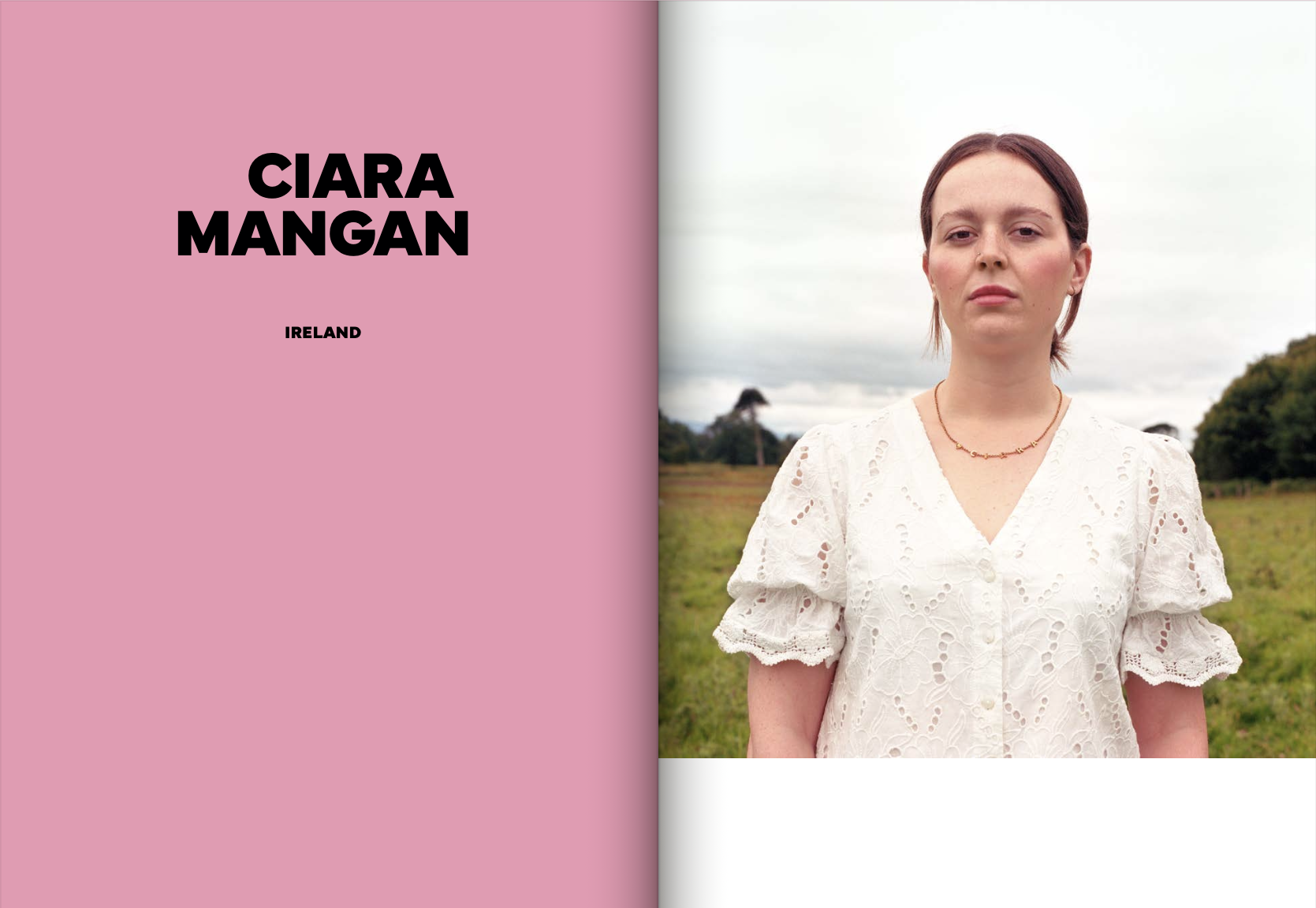
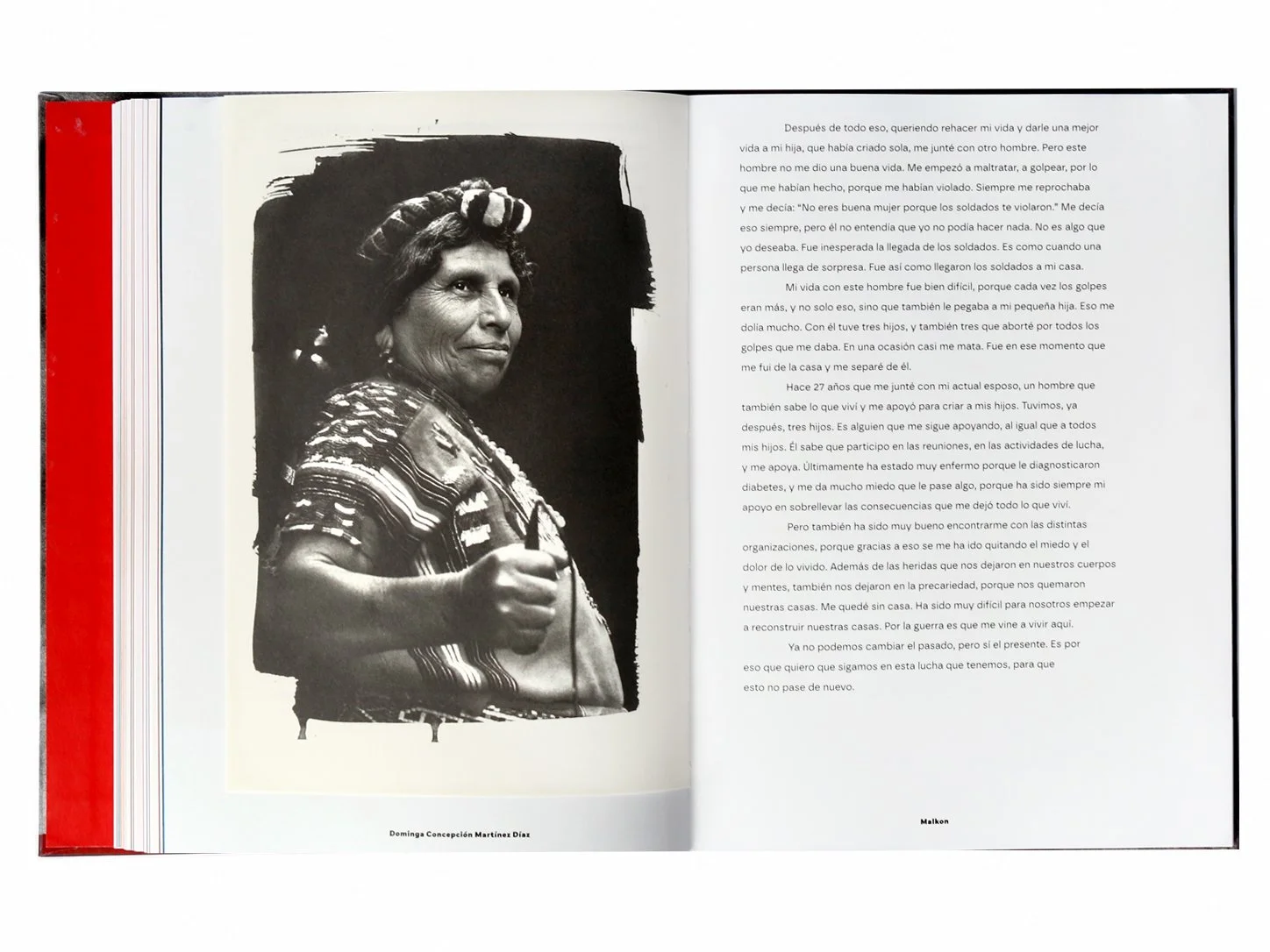
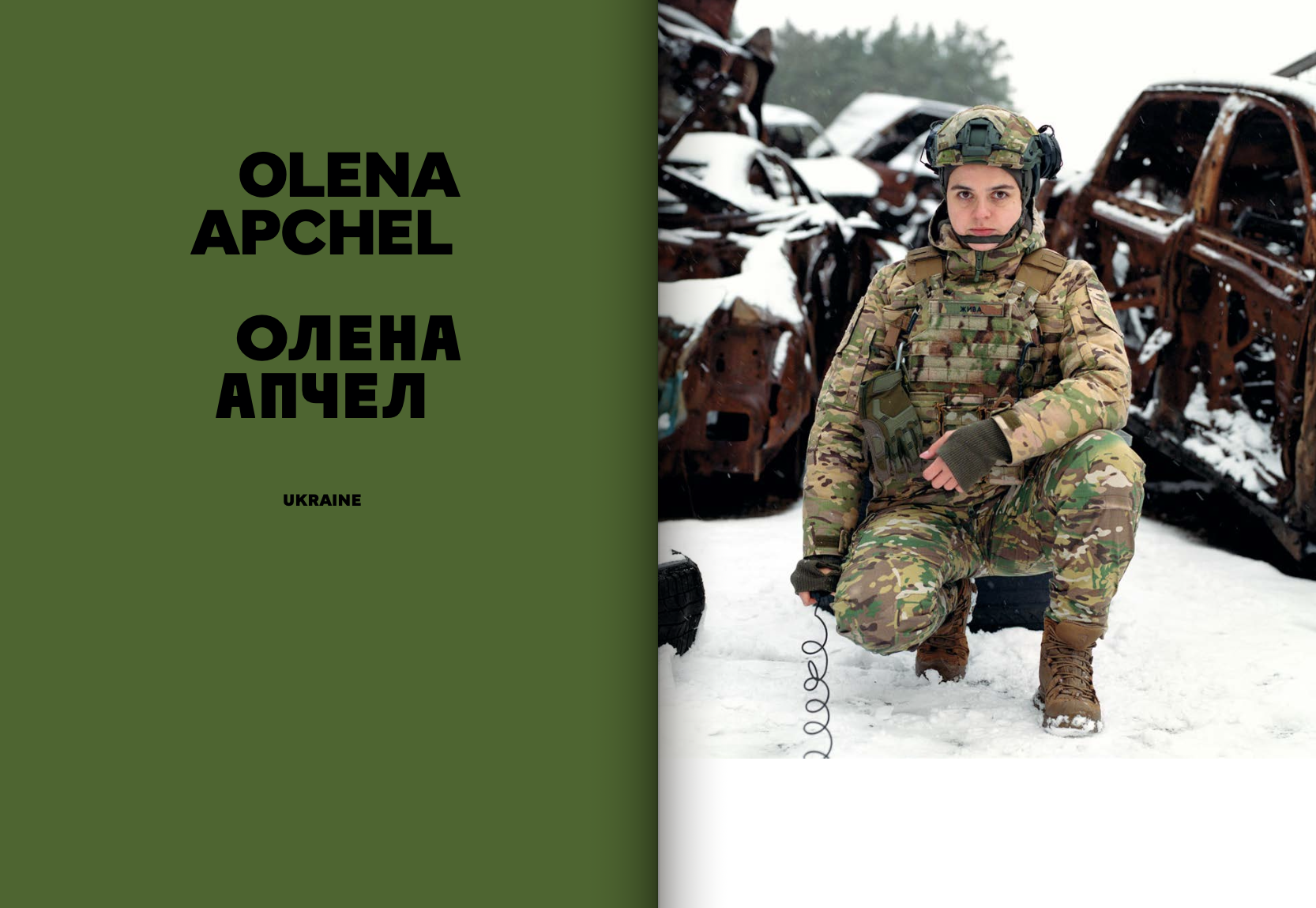
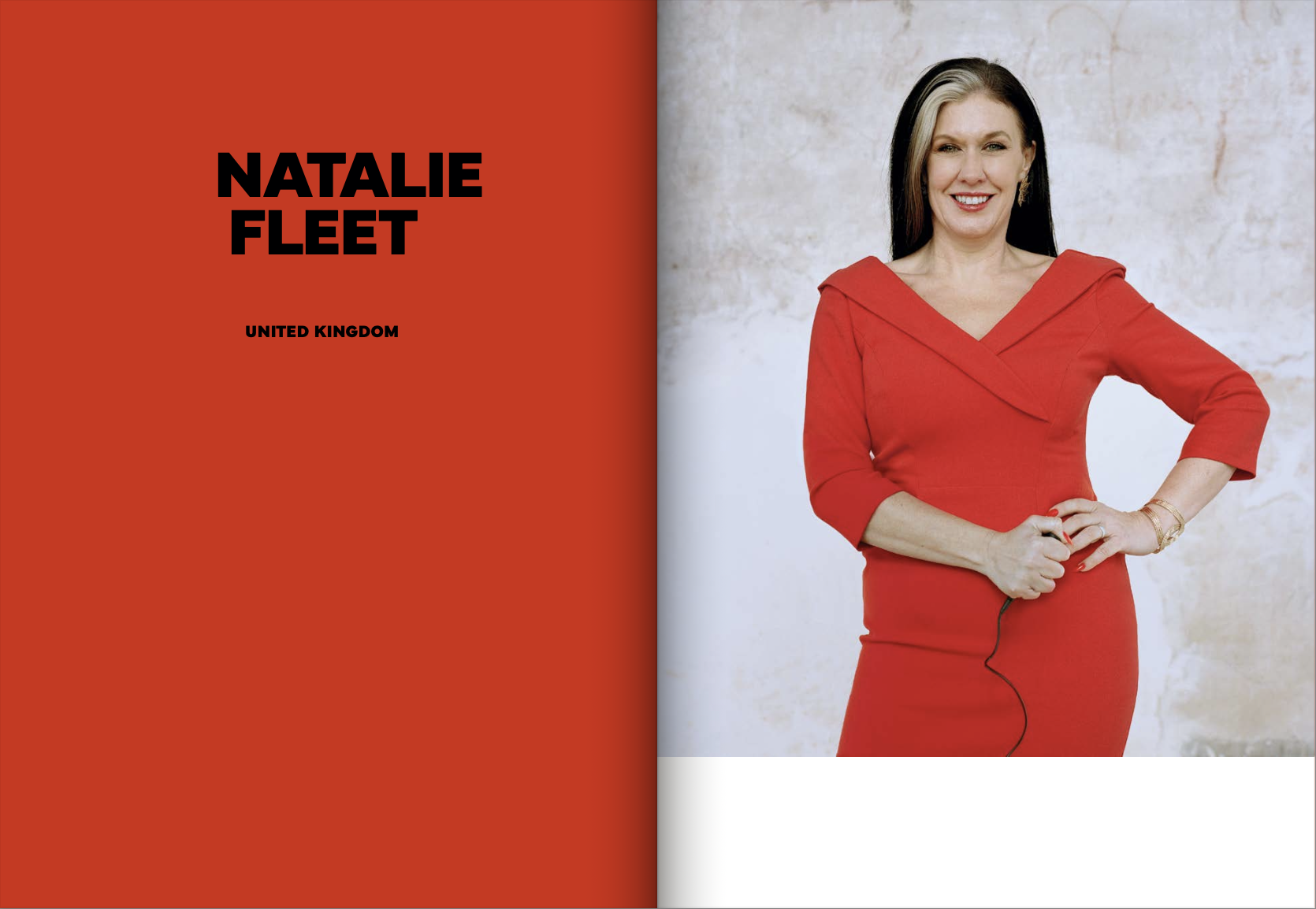
Let’s Talk About Rape® is a photographic project exploring survival, resilience and the reclamation of identity after rape.
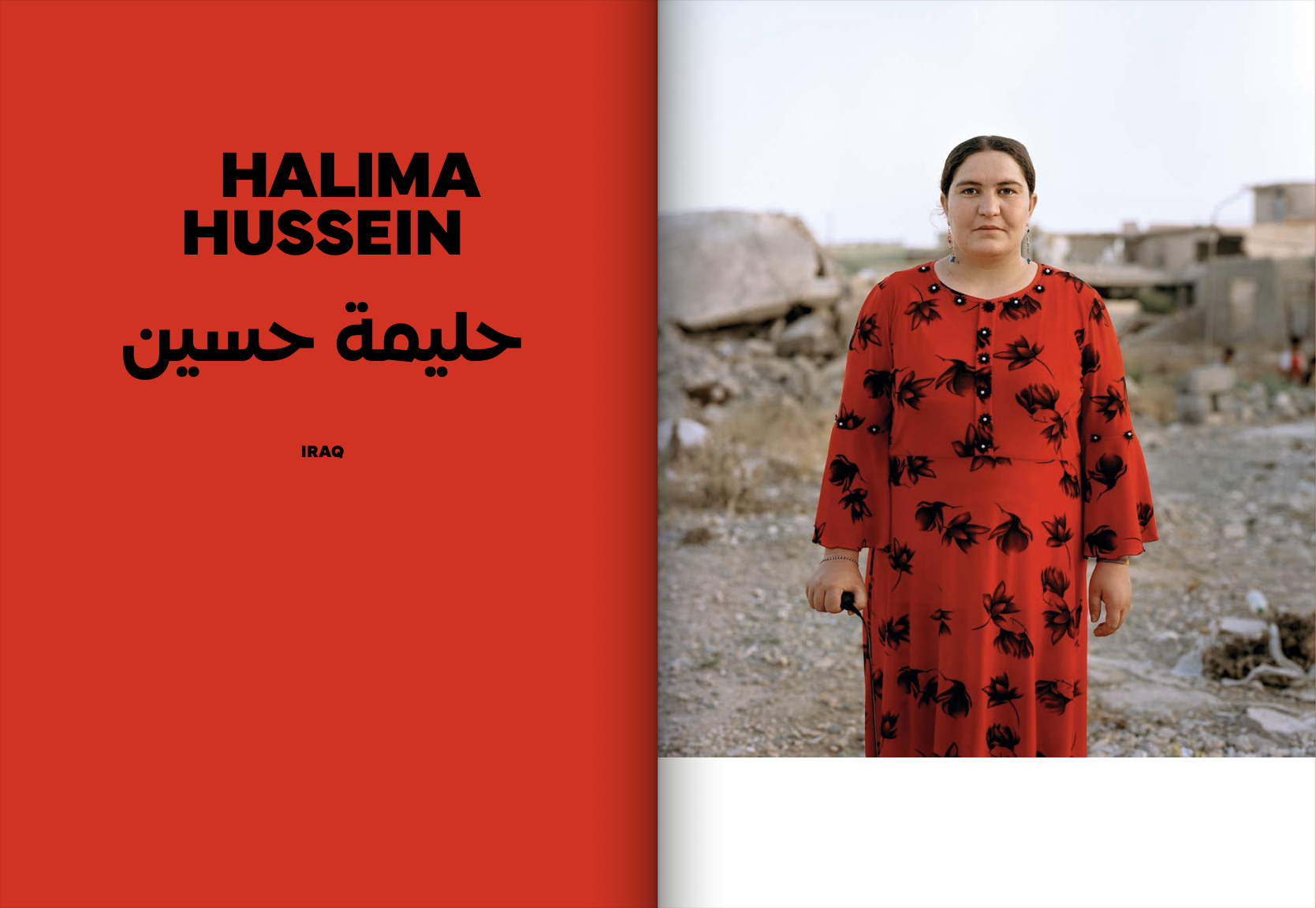
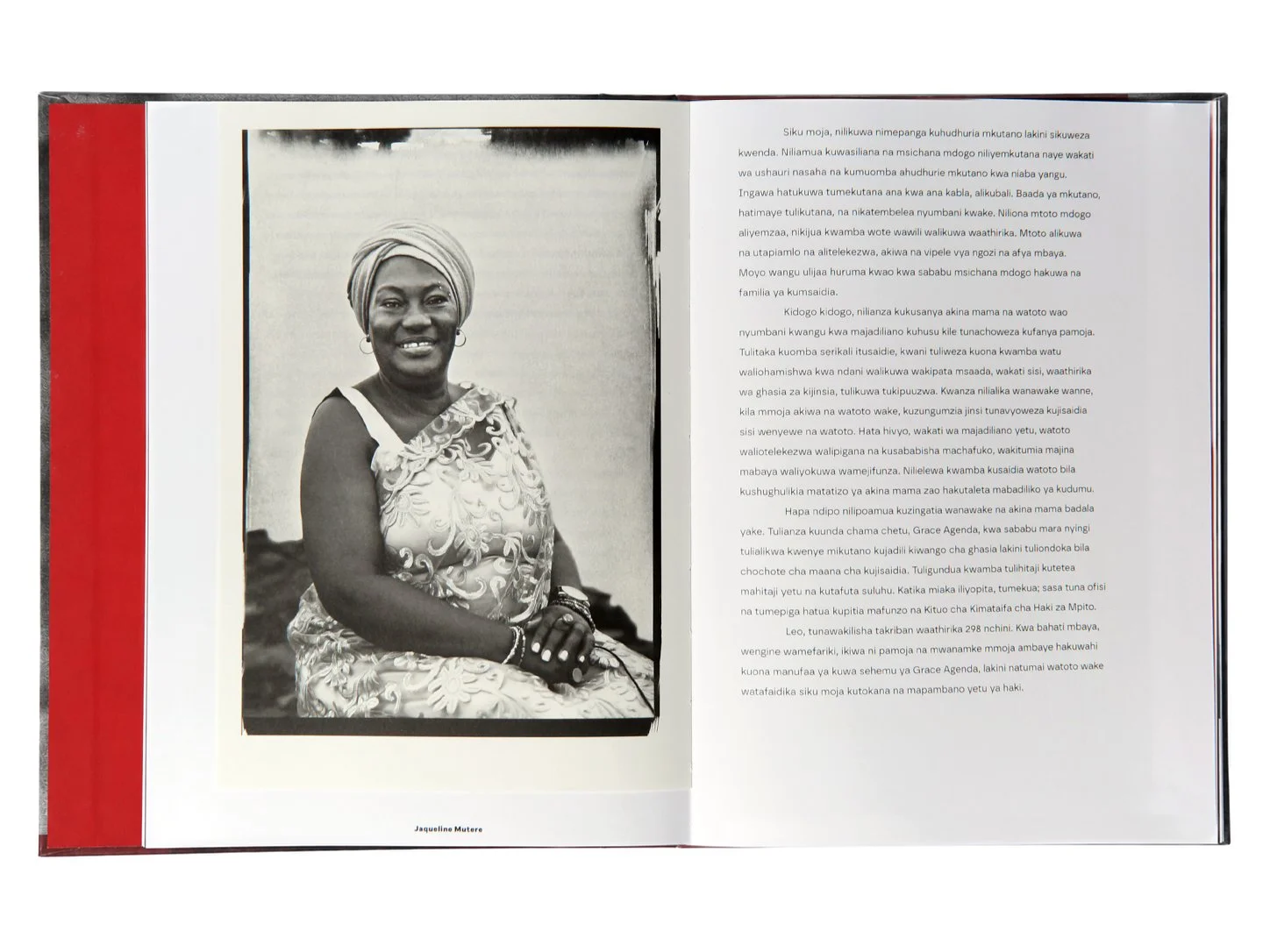
Created by photographer Jadwiga Brontē in collaboration with survivors from around the world, the book uses collaborative self-portraiture as both a therapeutic process and a form of visual activism. Each survivor actively creates her own portrait, shifting the traditional relationship between photographer and subject and reclaiming control over how she chooses to represent herself.
Photography becomes more than documentation. It becomes an act of agency and empowerment — changing the visual narrative from victim to survivor.
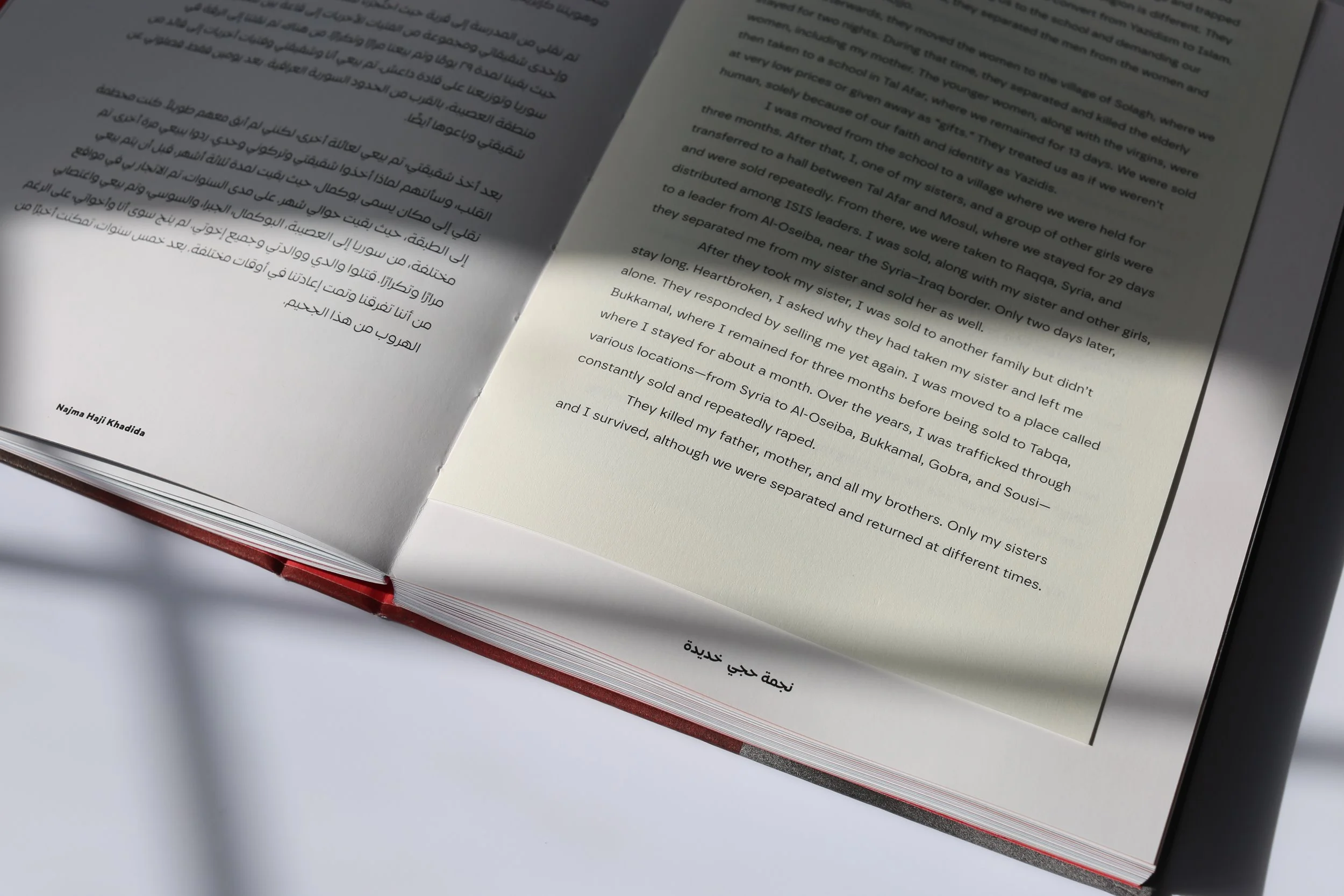
The survivors are recognised as co-authors of the work. Their self-portraits are accompanied by testimonies written in their own words, in their own languages and on their own terms. Together, women across different countries, cultures, faiths, ethnicities and socio-economic backgrounds create a collective visual record of resilience that confronts the silence, shame and stigma surrounding rape.
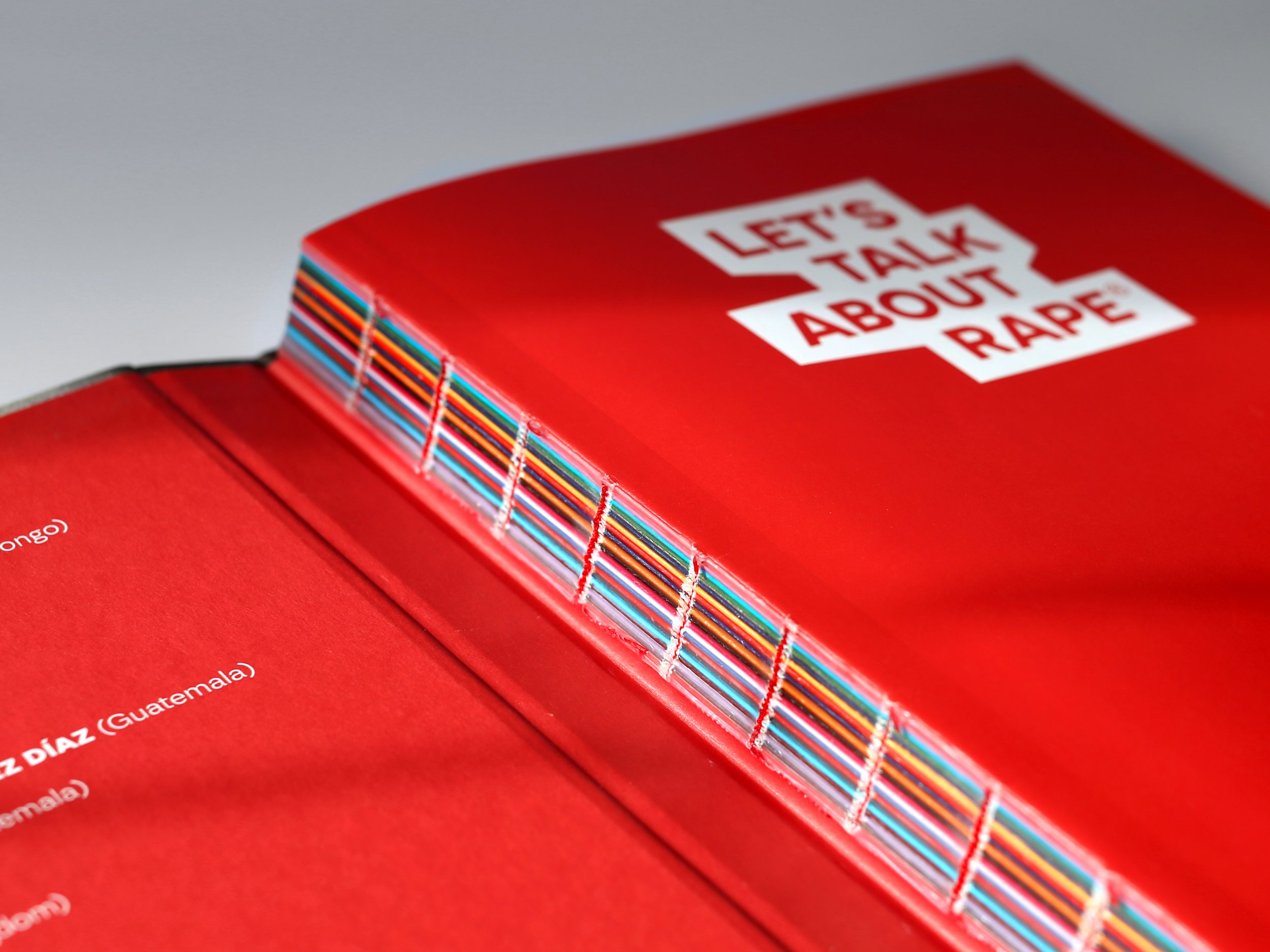
Featuring testimonies in 11 languages, each presented in its original language alongside an English translation, the photobook preserves the individual voice and authorship of every contributor.
Let’s Talk About Rape® sits at the intersection of photography, therapeutic practice and visual activism — using image-making as a means of reclaiming narrative, rebuilding agency and transforming how survivors of rape are seen.
Created in collaboration with survivor co-authors
Aleksandra Wierzbowska • Aline Kanega • Ángela María Escobar • Ciara Mangan • Consolee Nishimwe • Dominga Concepción Martínez Díaz • Elena de Paz Santiago • Elisabeth Hatieno • Ellie Wilson • Faryal Saeed Talal • Francesca Svanera • Halima Hussein • Jaqueline Namuye Mutere • Natalie Fleet • Najma Haji Khadida • Nancy Gómez Ramos • Olena Apchel • Shumu Haque • Shyrete Tahiri • Vasfije Krasniqi

Invisible People of Belarus is a photobook accompanied by critical reflections and testimonies documenting the lives of disabled people and Chernobyl victims living in governmental institutions in Belarus. These institutions are known as internats and function as something between an orphanage, asylum, and hospice.
Internats often exhibit glaring deficiencies in the way they care for residents: very little physical or educational therapy is offered; opportunities for recreational activities are limited; and the right to private life is not respected, with romantic relationships between residents prohibited. Integration within the local community is virtually non-existent. Their remote locations make it difficult for families to visit. Some internats are situated in rural areas with almost no public transport links. All internats are either fenced off or walled. This separation stands as a metaphor for the way disability is perceived in Belarus: misunderstood and hidden away.
Through her use of intimate imagery, developed during extended periods spent in internats, Brontē allows the reader to encounter lives that are often hidden. Her 30 photographs, comprising portraiture, architectural photography, and documentation of residents’ creative work, are book-ended by two sections of writing.
In the first section, Brontē reflects on her reasons for focusing on the lives of internat residents and on her personal connection to the project. An anonymous NGO worker with decades of experience working in internats examines the institutional, governmental, and cultural contexts that allow for their existence. Finally, an essay by writer Michael Thomason considers the potential of Brontē’s work to contribute towards a more equitable place for difference — one not confined behind fences. With kind permission from Nobel Prize-winning author Svetlana Alexievich, testimonies from Chernobyl survivors are reproduced throughout the essay to ask what we might learn from communities similarly abandoned by the state.
Following the photographs, testimonies from the mothers of people residing in internats allow the reader to explore the difficult decisions parents often make — frequently under duress — to give their children away. Also included are testimonies from two internat residents reflecting on their lives there, as well as commentary from the Director of the Institute of Radiation Safety in Belarus.
Limited first edition of 500 copies. All books are blind embossed and hand numbered.
The book is bilingual in English and Russian. The hardback edition is bound in classic black fabric, with the title hot-stamped in vinyl. The English title appears on the front cover and the Russian title on the back.
20 × 24 cm, 128 pages. Offset lithograph printed on three different papers.
Selected Anthologies & Collaborative Publications

Staying Home Together
This publication includes photographs by Jadwiga Brontē alongside works by photographers from around the world.
During this historic moment, F-Stop Magazine and Exhibit Around co-published a photographic book exploring the theme Staying Home Together. The publication reflects on a shared global experience through photographs documenting new routines, domestic environments, isolation, uncertainty, and everyday life during the Covid-19 pandemic.
Many of the experiences of 2020 transcended borders, revealing common fears, emotions, and realities across cities, countries, and continents. The publication explores this universal human experience through photography.
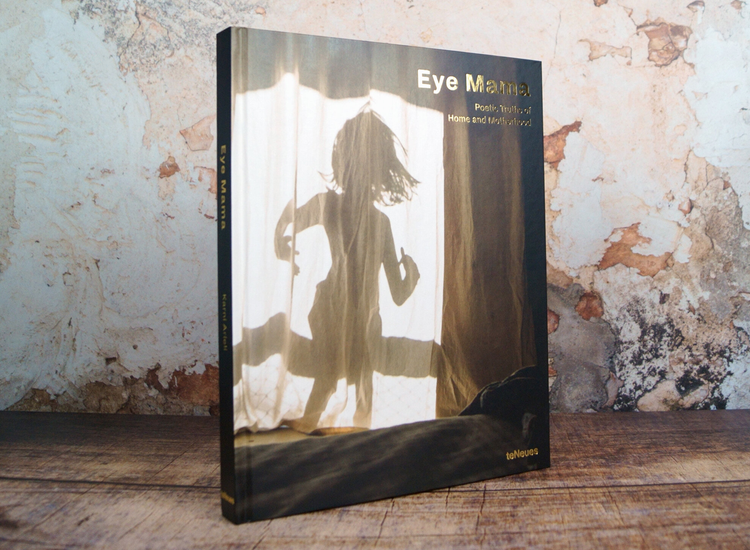
Eye Mama: Poetic Truths of Home and Motherhood
This publication includes photographs by Jadwiga Brontē alongside works by international photographers exploring motherhood, caregiving, and family life.
The Eye Mama book is a photographic collection centred on the “mama gaze” — what female and non-binary photographers see when they look at, and into, the home.
Based on the Eye Mama Project, a photography platform sharing curated work by photographers worldwide who identify as mothers, the book brings together more than 150 images exploring caregiving, motherhood, family life, and the post-motherhood self — rendering visible what is so often unseen.
This publication brings together images exploring the beauty and difficulty of care and parenthood, intimate domestic moments, love, exhaustion, identity, and the poetic truths of motherhood.
The Eye Mama Project has been featured in National Geographic, Vogue, Stern, Romper, the British Journal of Photography, Creative Review, and others.
www.eyemamaproject.com